
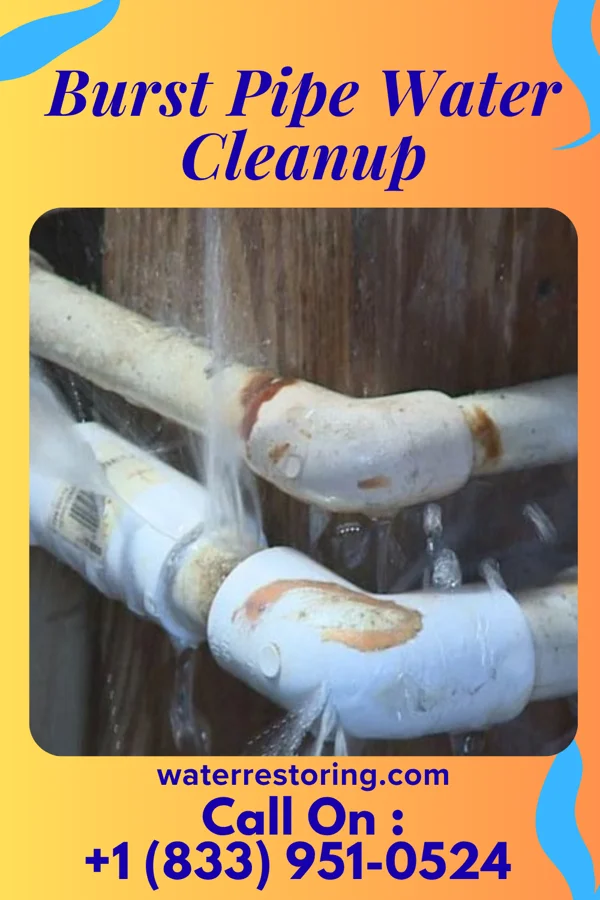
Hewlett Neck Pipe Burst Risk Drivers
Water damage in Hewlett Neck tends to cluster in predictable windows because of the local climate. Hewlett Neck, located in Nassau County, experiences a mix of residential and suburban properties, many of which are older homes with aging plumbing systems. The area's proximity to water bodies like Hewlett Bay Park and Hewlett Harbor increases the risk of pipe bursts due to fluctuating temperatures and moisture levels, particularly during seasonal changes. A close second is The rural nature of Hewlett Neck, combined with its proximity to Woodsburgh and other nearby towns, means that some properties may have less frequent maintenance checks on their plumbing systems. This can lead to undetected leaks and eventual pipe bursts, especially in older infrastructure..
Hewlett Neck's climate, influenced by its coastal location and seasonal variations, creates a unique set of challenges for plumbing systems. The combination of cold winters and humid summers can lead to increased pipe stress and potential bursts, requiring prompt and specialized cleanup services.
Hewlett Neck's climate, influenced by its coastal location and seasonal variations, creates a unique set of challenges for plumbing systems. The combination of cold winters and humid summers can lead to increased pipe stress and potential bursts, requiring prompt and specialized cleanup services. The dominant local driver is Hewlett Neck, located in Nassau County, experiences a mix of residential and suburban properties, many of which are older homes with aging plumbing systems. The area's proximity to water bodies like Hewlett Bay Park and Hewlett Harbor increases the risk of pipe bursts due to fluctuating temperatures and moisture levels, particularly during seasonal changes., with The rural nature of Hewlett Neck, combined with its proximity to Woodsburgh and other nearby towns, means that some properties may have less frequent maintenance checks on their plumbing systems. This can lead to undetected leaks and eventual pipe bursts, especially in older infrastructure. showing up as the next most common cause. Damage builds in stages. Spread. Absorption. Microbial growth. Structural compromise. Every stage you pass through adds to the final bill.
For public guidance on the health effects of mold after prolonged water exposure, see the EPA mold and health page.